
How Massage Clinics Lose Bookings (And How AI Can Fix It)
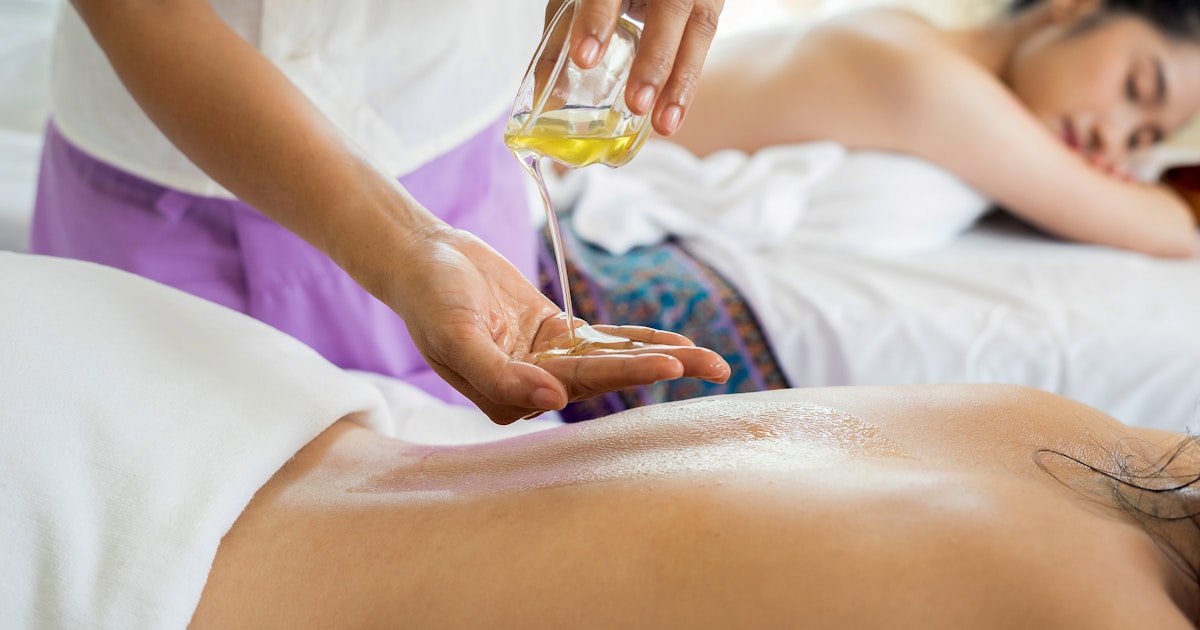
How Massage Clinics Lose Bookings (And How AI Can Fix It)
Running a massage clinic involves a paradox: you need your hands on clients to make money, but you also need someone answering the phone to get those clients in the first place.
If you are a solo therapist, you are physically unable to answer calls during treatments. If you run a multi-location operation, your reception staff are juggling walk-ins, checkouts, retail, and a ringing phone all at once. Either way, bookings are slipping through.
This article breaks down exactly how massage clinics lose revenue from missed and mishandled enquiries, backed by industry data, and explains what an AI assistant can realistically do about it.
The massage booking problem by the numbers
Most bookings still happen by phone
Despite the rise of online booking platforms, phone and in-person scheduling still dominate the massage industry. Data from Mangomint, based on analysis of 109,561 massage appointments, shows that 56.62% of massage therapy appointments are booked by phone, in person, or through recurring schedules. Only 43.38% are booked online.
This means that more than half of your potential bookings depend on someone being available to answer.
For context, the online booking rate for massage therapy is significantly higher than other spa services — facial and skincare services see only 21.78% online booking, and injectables sit at 21.89%. But even with massage leading online adoption in wellness, the phone remains the primary channel.
Health and wellness providers miss 28% of calls
Australian business data shows that health and wellness providers miss approximately 28% of incoming calls. For a busy clinic receiving 15-20 enquiry calls per day, that means 4-6 potential clients who never get through.
Research consistently finds that around 85% of callers who do not reach a business on the first attempt will not call back. They search Google, find the next clinic, and book there instead.
The financial impact is significant
A single missed 60-minute massage booking represents approximately $120 in lost revenue (based on typical Australian pricing). Missing just three calls per week that would have converted to bookings costs a clinic roughly $18,700 per year.
For a multi-location business with 5-10 sites, multiply that figure accordingly. A nine-location massage chain missing three calls per location per week is looking at potential losses exceeding $168,000 annually.
The Australian health and wellness spa market is valued at approximately $624 million (IBISWorld, 2025), and the broader alternative health therapies sector — which includes massage therapy, physiotherapy, chiropractic, and similar services — generates $4.2 billion annually. Competition for bookings is real, and speed of response is a genuine differentiator.
Nearly 1 in 6 bookings get cancelled
Even when clients do book, cancellations and no-shows erode revenue. Mangomint data shows an average 16.93% cancellation rate for massage therapy appointments. While lower than facials (21.78%) and injectables (21.89%), this still represents a significant revenue gap.
The clinics that manage cancellations best are the ones that confirm bookings proactively, send automated reminders, and make rebooking easy. An AI assistant contributes to all three.
Peak demand happens at the worst times
Massage appointment demand peaks in the afternoon, with 2pm being the busiest hour (11.56% of all appointments). The 10am-4pm window accounts for the bulk of daily bookings.
Meanwhile, nearly 50% of all massage appointments happen between Friday and Sunday. These are exactly the times when clinics are at maximum capacity and reception staff are under the most pressure.
The mismatch is clear: your busiest treatment hours are also when the most enquiries come in, and your team is least available to handle them.
Where AI fits into a massage clinic
An AI assistant for a massage clinic is not a replacement for your reception team. It is an always-available first responder that handles the questions your team answers 50 times a week.
What it handles well
Service matching. Many clients do not know which treatment to book. They search for “massage near me” and land on your site, then face a menu of remedial, deep tissue, relaxation, hot stone, sports, pregnancy, and couples options. An AI assistant trained on your service descriptions can guide them:
Client: “I’ve got a really sore lower back from sitting at a desk all day. What should I book?”
AI: “For desk-related lower back tension, a remedial massage is usually the best option. Our therapists can focus on the specific area causing discomfort. For a first visit, we recommend a 60-minute appointment so there is enough time for an initial assessment. Would you like me to help you with next steps for booking?”
This is not a hard question for a human, but answering it 12 times a day while checking clients in and processing payments adds up.
After-hours enquiry capture. A substantial portion of massage booking enquiries come in during evenings and weekends — precisely when many clinics have no one available to respond. The AI captures the enquiry, answers immediate questions, and provides the client with booking options or collects their details for a callback.
Pre-visit information. First-time clients frequently ask about:
- What to wear
- Arrival time requirements
- Health form or contraindication questions
- Parking and access
- Pregnancy suitability
- Health fund rebates
Every one of these questions has a fixed answer specific to your clinic. An AI trained on your policies handles them instantly.
Gift vouchers, packages and memberships. “Can I use my voucher for a hot stone massage?” “How does your membership work?” “Does the couples package include champagne?” These questions are common, predictable, and perfectly suited to AI handling.
Multi-location routing. If you operate across multiple sites, clients often enquire about the wrong location. An AI can ask which suburb or clinic they prefer and direct them accordingly.
What it does not handle
- Clinical advice. The AI should never recommend treatments for specific injuries or health conditions. It can explain what your services involve, but diagnosis is a human job.
- Complex rescheduling. If a client needs to move a booking involving a specific therapist at a specific time with specific health requirements, that usually needs a human.
- Complaints and escalations. Unhappy clients need empathy and problem-solving from a real person. The AI should recognise escalation signals and hand off quickly.
Real scenarios from wellness clinics
Scenario 1: The after-hours enquiry
It is 8:30 pm on a Wednesday. A client finds your clinic on Google and sends a message: “Do you have any remedial massage appointments available this Friday afternoon? I need help with neck and shoulder pain.”
Without AI: The message sits in your inbox until 9am Thursday. By then, the client has booked elsewhere.
With AI: The assistant responds within seconds, confirms the types of massage available, explains what remedial massage involves, and provides a link to your online booking system or collects the client’s details for morning follow-up.
Scenario 2: The treatment confusion
A client calls during lunch and asks: “What is the difference between remedial and deep tissue? My physio said I should get a massage but I do not know which one.”
Without AI: Your receptionist is checking in another client and the call goes to voicemail. The client does not leave a message.
With AI: The assistant explains the difference between remedial and deep tissue massage based on your clinic’s specific service descriptions, asks about the client’s goals, and suggests the most appropriate option.
Scenario 3: The multi-location mixup
“I want to book at your Norwood clinic for Saturday. Do you have pregnancy massage there?”
Without AI: Reception at one location may not know the service availability at another without checking.
With AI: The assistant knows which services are available at each location (because it is trained on all sites) and can confirm availability and direct the client immediately.
What setup looks like for a massage clinic
Starter setup ($150):
- AI assistant on your website as a chat widget
- Trained on your services, pricing, policies, and top 20-30 FAQs
- Handles service matching, pre-visit info, and basic enquiry capture
- 30 days support for refinements
- Best for: solo therapists, single-location clinics, or businesses wanting to test the concept
Pro setup ($2,000-$6,000+):
- AI assistant on website plus WhatsApp, Telegram, or other channels
- Deeper training on therapist profiles, multi-location details, voucher/membership rules
- Custom conversation flows for lead capture and booking guidance
- Integration with your booking system where supported
- Ongoing support and refinements
- Best for: multi-location clinics, day spas, wellness centres with complex service menus
Is it worth it?
Here is a simple calculation:
If your clinic charges an average of $100 per treatment and the AI captures just two additional bookings per week that would otherwise have been lost to missed calls, after-hours silence, or service confusion, that is $200 per week or roughly $10,400 per year in recovered revenue.
A Starter setup pays for itself within the first week. A Pro setup pays for itself within the first month or two.
The businesses that see the strongest results are those that:
- Have a high volume of repetitive questions
- Lose enquiries after hours or during busy periods
- Operate across multiple locations
- Want their reception team focused on in-clinic experience rather than phone triage
Getting started
If your massage, beauty or wellness clinic is losing bookings to missed enquiries, an AI assistant is a practical next step.
You can learn more about AI assistant setup for massage and wellness clinics or get in touch to discuss your specific situation.
Tmatt Technology is an Adelaide-based agency that helps Australian wellness businesses set up AI assistants using OpenClaw, an open-source AI platform. We focus on practical solutions that pay for themselves.